

A construction project is not finished when the last trade packs up. It is finished when the owner can walk in, run a hand along a window sill and find nothing on it. Getting from one point to the other is post-construction cleaning, and it is routinely underestimated by general contractors and owners alike. The dust from drywall sanding alone can settle in every duct, cabinet and light fixture in the building, and it keeps resettling for days after the sanding stops.
Impact Cleaning Services has handled post-construction cleanup on commercial projects across Middle Tennessee for decades, from tenant build-outs to full ground-up builds. The checklist below is organized by phase, because the single most common mistake on these jobs is treating the clean as one event instead of three.
What Post-Construction Cleaning Covers (and What It Does Not)
Post-construction cleaning is the removal of construction debris, dust and residue from a new or renovated space so it can be inspected, furnished and occupied. It sits between the trades finishing their work and the owner taking possession. It is not the same as a routine office clean, and it is not the same as debris hauling. A standard post-construction cleaning service assumes the contractor has already removed bulk material, pallets, scrap and packaging.
Scope confusion is where these jobs go wrong. Owners expect a turnkey, move-in-ready result. Contractors sometimes budget for a broom sweep. Spelling out which of the three phases below are included, and who is responsible for the work between them, prevents most disputes before they start.
Phase 1: Rough Clean
The rough clean happens after framing, drywall, mechanical and electrical rough-in are complete, but before finishes such as flooring, paint touch-up, fixtures and millwork are installed. Its purpose is to get bulk dust and debris out of the way so the finishing trades are not working in it, and so it does not get sealed under flooring or behind cabinets.
- Remove remaining construction debris, offcuts, packaging and labels the trades left behind
- Sweep and shop-vacuum all floors, including subfloor and stairwells
- Vacuum drywall dust from window frames, sills, door frames and ledges
- Wipe down exposed studs, blocking and framing in areas that will be closed in
- Clean out mechanical chases, electrical boxes and plumbing penetrations before cover plates go on
- Vacuum inside base cabinets and closets before shelving and doors are hung
- Scrape adhesive drips, drywall mud and paint spatter from concrete and subfloor
- Wipe interior glass and frames to remove the first layer of dust before the final finishes
A rough clean does not need to be pristine. It needs to be thorough enough that the finishing trades can work cleanly and the final clean is not fighting weeks of accumulated dust.
Phase 2: Final Clean
The final clean is the big one. It happens after all finishes are in, paint is cured and fixtures are installed, but before furniture arrives and before the owner's walkthrough. Every surface in the building gets touched. This is the phase most people picture when they hear "post-construction cleaning," and it accounts for most of the labor.
Walls, Ceilings, Fixtures and Millwork
- High dusting of ceilings, exposed structure, ductwork, beams and sprinkler lines (see our industrial dusting service for high-bay spaces)
- Dust and wipe light fixtures, lenses, diffusers and exit signs
- Wipe walls to remove drywall dust, then spot-clean paint spatter and smudges
- Clean inside and outside of all cabinets, drawers, shelving and closets
- Remove stickers, protective film and manufacturer labels from fixtures, appliances and glass
- Polish door hardware, handles, kick plates and push bars
- Wipe switch plates, outlet covers, thermostats and panel doors
- Clean the tops of door frames, partitions and any ledge above eye level
Floors
- Vacuum all carpet with a HEPA-filtered machine, then spot-clean or extract any adhesive or drywall residue (full carpet extraction if the carpet was installed early and worked on)
- Sweep, scrub and damp-mop hard floors, including tile, LVT, polished concrete and wood
- Remove grout haze from tile and strip any residue from protective coatings
- Scrape and remove paint, mud, caulk and adhesive drops
- Clean stair treads, risers, nosings and handrails
- Apply initial finish to VCT or resilient flooring if the specification calls for it
Windows, Glass and Frames
- Clean all interior glass, partitions and glass doors to full height
- Remove stickers, film and paint overspray from glass with a scraper and solvent
- Clean window frames, tracks, sills and mullions
- Exterior commercial window cleaning, including storefront and curtain wall where accessible

Restrooms, Kitchens and Breakrooms
- Clean and sanitize toilets, urinals, sinks and faucets; remove protective wrap and labels
- Clean mirrors, partitions, dispensers and grab bars
- Clean inside and outside of appliances, then remove packaging and foam
- Wipe countertops and backsplashes, then remove any grout or caulk haze
- Clean floor drains and verify they are clear of debris
- Scrub tile and grout, then damp-mop
Mechanical, Electrical and Utility Spaces
- Vacuum and wipe HVAC supply and return grilles and diffusers
- Replace construction filters with final filters if the mechanical contractor has not
- Sweep and damp-mop mechanical rooms, electrical rooms and IT closets
- Clean dust from the exterior of panels, equipment housings and conduit
- Clean elevator cabs, tracks, sills and doors

Phase 3: Touch-Up Clean
The touch-up clean, sometimes called the punch-list clean or sparkle clean, happens after the final clean and after the trades have been back in to address punch-list items. It also catches the dust that settles out of the air in the days after the final clean. It is lighter than the final clean but it is not optional, and it is the phase most often cut from a budget.
- Re-dust all horizontal surfaces, sills, ledges and fixtures
- Clean behind punch-list repairs: paint touch-ups, re-caulked joints, replaced hardware
- Spot-clean glass and mirrors for fingerprints from inspectors and trades
- Vacuum carpet and dust-mop hard floors one more time
- Wipe restroom fixtures and restock dispensers if the building is about to open
- Final walkthrough with the superintendent or owner's representative against the checklist
Exterior and Site Cleanup
Exterior work is usually scoped separately, but an owner's first impression is formed in the parking lot, not the lobby. Confirm whether these items are included in the construction contract, the cleaning contract or neither.
- Sweep and blow entrances, walkways, loading docks and parking areas
- Pressure washing of concrete, pavers and dumpster pads to remove mud, mortar and paint
- Remove construction signage, temporary fencing debris and stray fasteners
- Wipe down exterior doors, frames, canopies and signage
- Clean exterior light fixtures and bollards
- Check for masonry haze, efflorescence or overspray on the facade that may need exterior building restoration rather than cleaning
Dust, Air Quality and Safety on a Post-Construction Clean
Construction dust is not ordinary dust. Drywall dust contains gypsum and often silica; concrete grinding produces respirable crystalline silica; older buildings may release lead paint or asbestos-containing material during demolition. Crews should use HEPA-filtered vacuums, not shop vacs that blow fine particles back into the air, and should wear appropriate respiratory protection during the rough clean.
On renovation projects in older stock, confirm that any hazardous material survey and abatement were completed before the cleaning crew arrives. Our guide to asbestos abatement in historic buildings explains what that process looks like. A cleaning contractor should never be the one discovering asbestos.
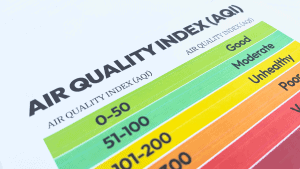
Air quality matters after the clean too. Fine dust that settles in ductwork during construction gets redistributed every time the HVAC cycles, which is why final filters and a duct inspection belong on the checklist. It is also why owners sometimes notice dust returning weeks after occupancy, a problem we discuss in our piece on indoor air quality in commercial buildings.
How to Scope and Price Post-Construction Cleaning
Post-construction cleaning is typically priced per square foot, with the rate varying by phase, by the condition the trades leave the space in, and by how much glass, millwork and high dusting the building has. A final clean on a simple open-plan office costs far less per foot than one on a medical suite with dozens of cabinets and fixtures. Ask for a per-phase price rather than a single lump sum, so the owner can see what is being cut if the budget tightens.
Three details should be settled in writing before the crew arrives. First, who removes bulk debris, because a cleaning crew that has to haul scrap will bill for it. Second, what "complete" means for each phase, ideally the checklist above with items marked in or out. Third, what happens when the trades come back after the final clean, because they will, and someone has to pay for the touch-up.

Once the building is occupied, the work shifts to a recurring program. Our commercial office cleaning checklist covers what the daily, weekly and monthly routine should look like from day one, and it is worth having that scope agreed before the touch-up clean so there is no gap in service.
Frequently Asked Questions
What is the difference between a rough clean and a final clean?
A rough clean removes bulk dust and debris between the rough-in and finishing stages so the trades can work and dust does not get sealed in. A final clean happens after all finishes are installed and touches every surface in the building to make it ready for inspection and occupancy.
How long does post-construction cleaning take?
It depends on square footage, finish level and crew size. As a rough guide, a final clean on a 10,000-square-foot office build-out usually takes a crew of four to six people one to two days. Medical, laboratory and retail spaces with heavy millwork and glass take longer. Rough and touch-up cleans are shorter.
Who is responsible for post-construction cleaning, the contractor or the owner?
It should be stated in the construction contract. Most commercial contracts require the general contractor to deliver a "broom clean" space and leave the final clean to the owner, but some include a full final clean. Read the contract, then scope the cleaning so it starts where the contractor's obligation ends.
Schedule a Post-Construction Clean That Follows the Phases
Impact Cleaning Services scopes every post-construction job by phase, with the checklist above as the starting point and a per-phase price so there are no surprises when the trades come back. We work alongside general contractors on tenant build-outs, renovations and new builds across Nashville and Middle Tennessee, and our commercial restoration team handles projects where cleaning turns out not to be enough.
To get a per-phase quote for your project, contact Impact Cleaning Services with the square footage, finish level and target handover date.